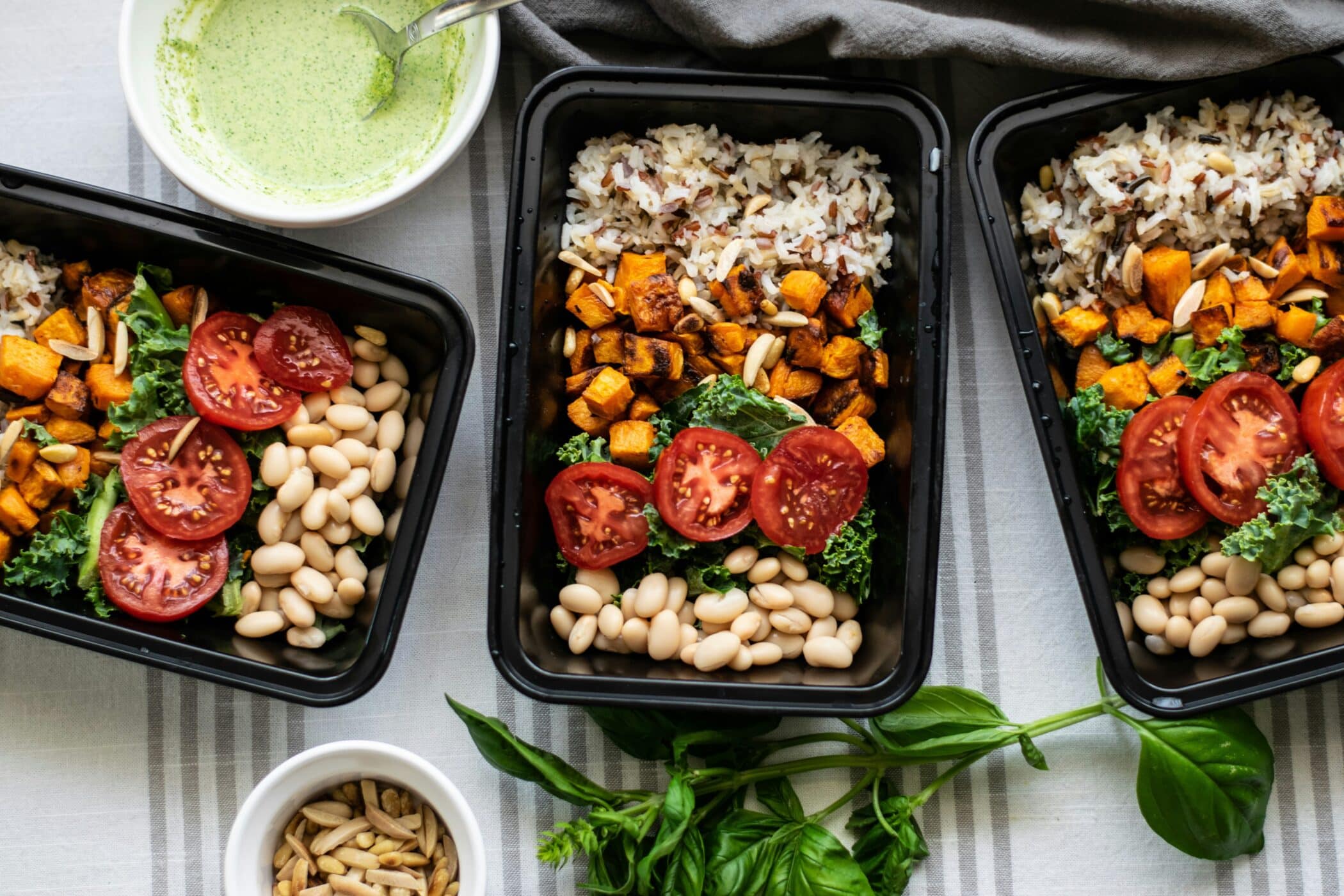
For people who care about health, fitness, and eating clean, counting macros has become a popular way to stay on track. It sounds smart, scientific, and in control: just hit your daily protein, carb, and fat targets, and you’re good. Right?
Not exactly.
While counting macros can be helpful in short bursts—especially when you’re training for a specific goal or learning how to portion—it’s not realistic (or enjoyable) for most people long-term. In fact, the constant tracking and number obsession can quickly suck the joy out of eating.
Here’s why counting macros isn’t a lifestyle—and what to do instead if you want to eat clean without the stress.
1. It Turns Food Into a Math Problem
Every bite becomes a calculation. Every meal becomes a puzzle. And while precision might feel like control, it actually creates unnecessary anxiety around food.
Life’s busy. Between work, workouts, family, and trying to live your life, the last thing you need is to pull out your phone to scan a barcode or log every cherry tomato you eat.
Yes, awareness is good. Obsession is not.
2. It’s Easy to Hit Numbers With the Wrong Foods
You can hit your macro targets and still eat processed junk. Protein bars, low-fat ice cream, artificial sweeteners—they all fit in your macros. But that doesn’t mean they’re nourishing your body.
When the goal becomes hitting numbers instead of fueling with quality ingredients, health takes a back seat.
3. It Kills the Joy of Eating
Meals should be an experience—flavor, texture, satisfaction. Not just a box to check. Macro counting often leads to eating the same meals over and over just because they “fit.”
There’s no room for spontaneity. No flexibility. No listening to your body.
4. It’s Not Sustainable Long-Term
Let’s be honest—do you want to be weighing chicken and logging almond butter when you’re 50? Or on vacation? Or at a dinner party?
Tracking macros 24/7 might work short-term, but it’s exhausting. And when people stop, they often feel lost and gain the weight back.
5. It Focuses on Quantity, Not Quality
Not all calories are equal. Not all carbs, fats, or proteins are created the same.
A 40g protein bar is not the same as 40g of grilled salmon. A carb from candy isn’t the same as a carb from roasted sweet potato.
Macro counting teaches numbers, not nutrition. And if you want to feel energized, clear-minded, and truly well, ingredient quality matters more than quantity.
So What’s the Alternative?
Eating should be simple. Delicious. Balanced. And built around whole, fresh, nutrient-dense foods.
Instead of obsessing over grams, try this approach:
Focus on ingredients you can pronounce
Eat fresh, colorful veggies every day
Prioritize high-quality proteins
Include healthy fats from whole sources (like avocado or nuts)
Stay hydrated and listen to your body’s natural hunger cues
And most importantly—make it easy and enjoyable so you can stay consistent.
Final Thoughts
Counting macros might have its place in short-term goals, but it’s not a lifestyle for the long haul. The real key to healthy eating is simplicity, consistency, and quality.
If you’re ready to stop tracking and start living, consider a meal plan that’s done for you—with fresh, non-GMO, high-quality ingredients delivered to your door.
Jet Fuel Meals takes the guesswork out of eating clean. No counting. No stress. Just chef-prepared, nutrient-dense meals designed to support your health and fitness goals—without the math.
Visit Jet Fuel Meals and see how clean eating can feel effortless.
Succeeding in a weight loss meal plan is a common goal for many individuals. However, it’s crucial to prioritize your health along the way. Taking extreme measures may give you results short-term, but can weight loss harm your health?
In the following words, we’ll explore the impact of your diet on your health and the healthiest way to approach weight loss.
Can weight loss harm your health?
Yes, weight loss can harm your health if you don’t do it properly. Extreme diets where you lose weight too fast can lead to muscle loss, a weakened immune system, hormone imbalance, and other issues.
The key to weight loss is to do it safely with proper intake of all the essential nutrients. Failing to do so can sometimes lead to mild or even severe health problems.
Nutrient deficiencies
Drastically reducing your calorie intake can lead to a lack of essential nutrients. That is a common problem with fast and restrictive diets. These diets will usually cause a lack of vitamins, minerals, and other micronutrients necessary for good health. Instead, focus on a diet that includes all the essential ingredients for supporting your health and appearance. If you don’t have the time or knowledge to craft the perfect meal plan, you can always opt for a healthy food delivery service.
Weakened immune system
Your immune system can weaken with a too-low-calorie intake and a lack of nutrients. That increases the likelihood of infections or diseases.
Muscle loss
Rapid weight loss usually leads to losing muscle along with fat. That will influence your physique as more muscle creates a more aesthetic look. But more importantly, it will decrease your metabolic rate. That makes it harder to maintain weight loss long-term.
Electrolyte imbalances
Electrolytes are minerals that carry an electric charge and are essential for various bodily functions. Some diets can cause electrolyte imbalances, which can lead to complications. Some dangers of low electrolytes are fatigue, weakness, and even irregular heart rhythms.
Psychological impact
Unhealthy weight loss methods can have severe psychological consequences. That can include depression, anxiety, and an unhealthy relationship with food.
Hormonal disruptions
Another potential issue that comes with improper diets is hormonal disruptions. Those imbalances can affect your body’s libido, muscle mass, and various other processes.
An extreme weight loss meal plan can severely harm your body. But remember that these negative effects only come with a poor diet. However, when you intake adequate macro and micronutrients, you can effectively lose weight without damaging your body.
What is a healthy way to start losing weight?
Set realistic goals
When starting your weight loss journey, you must set realistic goals. Losing weight too fast can lead to health problems, and it’s not sustainable in the long run. Instead, aim for a steady weight loss of one to two pounds weekly.
Create a balanced eating plan
A good weight loss meal plan will always be balanced with plenty of macro and micronutrients your body needs. Macronutrients include:
protein;
carbohydrates;
fats;
fiber.
On the other hand, micronutrients include:
vitamins;
minerals;
water.
To create the perfect meal plan, you have to find a balance between these groups. The key is to intake enough of each while still being in a caloric deficit to lose weight.
Mindful eating
Mindful eating is enjoying your meals every step of the way. When preparing your meals, try to do it slowly and notice the food’s texture. When you start eating, thoroughly chew each bite.
Mindful eating will help you to understand your body’s signals. It will tell you when you are full or if you need more. This is an excellent way to enjoy your food and prevent overeating.
Stay hydrated
Drink plenty of water throughout the day. Water will hydrate your body and support various bodily functions like digestion and circulation. It will also help control hunger since you can sometimes confuse hunger with thirst.
Regular physical activity
Regular physical activity is crucial for steady and healthy weight loss. However, you don’t need intense workouts to cut calories. For example, a simple 30-minute walk can burn 150-300 calories. You can also include swimming, jogging, or any other form of aerobic exercise. Aim for at least two to three hours of exercise per week.
Although strength training isn’t necessary for weight loss, it is a great addition to your health and weight loss goals. Strength training will help you maintain and build muscle mass, which is crucial for an aesthetic look.
Portion control
Controlling portion sizes is another huge part of a weight loss plan. You can use smaller plates and bowls to control portion sizes visually. However, remember that different foods have different amounts of calories despite their volume.
For example, one cup of carrots has around 45 calories. One cup of cashews has a staggering 786 calories. Therefore, it’s crucial to know how many calories are in the ingredients you eat. But with a well-balanced meal plan, portion control can be very effective.
Seek support
Consider seeking support from a doctor specializing in weight management or other weight loss professionals. You can get personalized guidance and a plan tailored to your needs. Additionally, you can get emotional support when you are having difficulty sticking to your diet. Of course, surrounding yourself with supportive people can greatly help you persevere in your program.
Monitor progress
Keep track of your progress, but focus on more than just the number on the scale. Your body can sometimes retain more water, causing the number to stay the same or even go up. However, that weight will still drop once your body flushes excess water from your organism.
That’s why it’s crucial to monitor other types of progress. Track your body measurements and energy levels. Once you start tracking those, you will notice that you have much more energy or achieved great fitness goals.
Practice self-care
Take care of your overall well-being. Whenever possible, try getting enough sleep (seven to eight hours). Manage your stress and engage in self-care activities. Good sleep and stress management can positively impact your weight loss efforts.
In summary
Weight loss can positively impact your health as long as you do it properly. Taking extreme diets can lead to muscle loss, weaken your immune system, and cause various physical and emotional issues.
But when you approach weight loss in a healthy and balanced way, you can achieve great results without causing any harm to your overall health.
A high-fat, low-carb diet is the ketogenic diet. Your body may go into ketosis if you cut back on carbohydrates, which will make it use fat as energy. Whenever you find yourself in a conversation about dieting or weight loss, you’ll probably hear about the ketogenic, also known as the keto diet. This is one of the most often used strategies for those looking to reduce their weight and improve health with keto maintenance meal plans.
A low-carb, high-fat diet may help type 2 diabetics lose weight. Also, it can improve glycemic control, according to some research.
Even while there are certain benefits to the keto diet, saturated fat is usually a big part of it. For certain people, this may increase LDL (“bad”) cholesterol. This could increase the chances of developing cardiovascular disease. And experiencing cardiovascular events such as a heart attack or stroke.
Because of this, the keto diet may not be a good choice for everyone.
The keto diet is also not advised for those who have some kind of illness. Such as type 1 diabetes, kidney illness, liver disease, and respiratory failure. Or even cardiac arrhythmia. Also, for those who are pregnant or breastfeeding, keto is not a good idea.
The keto diet has a low carbohydrate intake, a high fat intake, and a moderate protein intake. Although there are more flexible forms of the diet. When following a keto diet, carbohydrate intake ranges from 5 to 10% of total calories.
Around 60-80% of your daily calorie intake should come from fats. This should largely replace the decreased carbs.
Proteins should make up about 10–30% of your daily energy requirements. While carbs are typically kept to 5% of your diet.
Your body is forced into ketosis as a result of carbohydrate restriction. This causes it to switch from using glucose as its primary fuel source to lipids.
Your body changes to utilizing ketones when your blood glucose level is low. These are chemicals made from lipids in the liver. Moreover, keto diets improve satiety and decrease hunger. All of which are beneficial while attempting to lose weight. Ketogenic diets are successful at promoting weight loss, according to research. Although they might not be any more effective than other weight-loss regimens.
Keto maintenance meal plans
The keto diet is not difficult to follow, although it may seem like it is. A few online tools and calculators can be helpful.
To achieve and maintain ketosis, you should restrict carbohydrate intake. Some may be effective with a larger carb consumption. While some people may need 20 grams of carbohydrates per day to enter ketosis. The less carbohydrate you eat, the easier it is to reach and stay in ketosis.
Foods that fit the ketogenic diet
When following a keto diet, the following foods should make up the majority of your keto maintenance meal plans:
The use of conventional, organic, or pastured eggs is acceptable. Poultry includes chicken and turkey. Marlin, herring, and salmon are examples of fatty fish. Meat includes organ meats, bison, venison, pheasant, and beef. Dairy products with a high fat content like unsweetened yogurt, butter, and cream Full-fat cheeses include cream cheese, brie, goat cheese, mozzarella, cheddar, and mozzarella. Nuts and seeds, including flaxseeds, pumpkin seeds, walnuts, almonds, and macadamia nuts Peanut, almond, and cashew butters with no added sugar are examples of nuts. Olive oil, avocado oil, and sesame oil are three oils that are high in healthful fats. Whole avocados are an excellent addition to practically any meal or snack. Greens, broccoli, tomatoes, mushrooms, peppers, and other non-starchy vegetables Condiments include fresh herbs and spices, salt, pepper, vinegar, and lemon juice.
Limit your intake of the following foods:
Bread and baked items, including rolls, crackers, cookies, and whole wheat bread Sugary foods, including ice cream, maple syrup, honey, agave syrup, and coconut sugar. Drinks with sugar, such as soda, juice, sweetened teas, and sports drinks. Noodle meals such as spaghetti Cereals, tortillas, wheat, rice, oats, and other goods made from grains Corn, peas, beans, sweet potatoes, butternut squash, pumpkin and other starchy vegetables. Legumes and beans, including kidney beans, black beans, lentils, and chickpeas. Fruit: grapes, bananas, pineapple, citrus, and grapes BBQ sauce, ketchup, honey mustard, dressings, and dipping sauces and other high-carb sauces.
Some alcoholic beverages include, such as beer and sweet mixed drinks.
You should limit your intake of carbohydrates, yet you may enjoy low-glycemic fruits. Such as berries in moderation. This is ok as long as you eat the various macronutrients that are suitable for the keto diet (carbs, protein, fat). Breakfast of chia pudding with coconut milk and walnuts.
Keto-friendly drinks
Juice, soda, iced tea, and coffee drinks are just a few beverages that include sugar. Along with high carb foods, you should limit or exclude high carb drinks while following a keto diet. The fact is that sugary drinks have also been connected to many health issues. Including obesity and a higher risk of type 2 diabetes.
There are a ton of delicious sugar-free options for people on the keto diet. Keto-friendly beverages include:
Water. The greatest option for hydration is water. Which you should drink regularly throughout the day. Sparkling water. Coffee without sugar. Pour some heavy cream into your coffee to improve the flavor. Green tea without sugar. Green tea is delicious and has numerous health benefits.
Try experimenting with various keto-friendly flavor combinations. You can increase the flavor a little if you like. For instance, you can add some fresh mint and lemon peel to your water bottle.
Vodka or tequila mixed with soda water is a permitted low-carb alcoholic drink on the keto diet. Although alcohol is generally unhealthy.
One week keto menu example
The following menu has a daily carbohydrate intake of under 50 grams. Some people might need to cut their carbohydrate intake even more to enter ketosis. A typical ketogenic menu for a week looks like this. Yet, you can modify it to suit your specific nutritional requirements. Monday
Breakfast is two eggs fried in butter with sautéed greens. For lunch, a bunless burger on a bed of greens with cheese, mushrooms, and avocado. Olive oil-sautéed green beans and pork chops for dinner.
Tuesday
Omelet with mushrooms for breakfast. A green salad with tuna, celery, and tomato you can have for lunch. Roast chicken, sauteed broccoli, and cream sauce for dinner.
Wednesday
Eggs and cheese-stuffed bell peppers would be ideal for breakfast. Lunch will be an arugula salad with blue cheese, boiled eggs, avocado, and turkey. Dinner will consist of grilled fish and sesame-sauteed spinach.
Thursday
Full-fat yogurt with Keto granola for breakfast. A steak with cheese, avocado, salsa, avocado rice, and herbs for lunch. Bison steak with cheese-topped broccoli for dinner.
Friday
Baked avocado egg boats for breakfast. Chicken Caesar salad for lunch. Pork chops and vegetables for dinner.
Saturday
Breakfast toast with avocado, cheese, and cauliflower. Without bread, salmon burgers with pesto on top for lunch. Spaghetti with zucchini and meatballs with parmesan for dinner.
Sunday
For breakfast, you can have chia pudding with coconut milk and nuts. Lunch will be a turkey, hard-boiled eggs, avocado, cheese, and green Cobb salad. Chicken with coconut and curry for dinner.
There are many vegetarian options available. Although many keto maintenance meal plans center on animal products. If you’re on a more lax ketogenic diet, you can raise the number of carbohydrates in this meal plan. You can add a cup of berries to your breakfast or a small dish of a starchy vegetable to your dinner. A high-fat, moderate protein and low carbohydrate diet is the ketogenic diet.
Summary
Those who follow it should try to limit their daily total carbohydrate intake to under 50 g. Meals often include non-starchy vegetables, animal proteins, and vegetable and animal fats.
Reaching fiber targets and avoiding hunger is crucial when following the ketogenic diet. To make sure that nutritional deficits do not happen, it can also be a good idea to talk to a doctor or nutritionist.
Are you searching for quality meal delivery services that have are suited for vegans and vegetarians? This is the article to read if you’re seeking dependable, high-quality service and delicious plant-based food.
Additionally, we provide a list of the best local delivery providers that we have hand-picked. So without further ado, let’s get to the top options and crucial factors.
Why are plant-based meals a must-have for any delivery service?
Plant-based meals are a must-have for any delivery service. The first reason for that is the rising popularity of plant-based diets. A rising number of people are adopting such lifestyles. That makes it essential for delivery services to cater to this growing customer base.
Offering plant-based options ensures inclusivity for people of all life choices. It provides customers with diverse options that align with their dietary preferences.
Secondly, plant-based meals promote sustainability and environmental consciousness. Animal farming has a major contribution to water pollution, deforestation, and greenhouse gas emissions.
By incorporating plant-based options, delivery services can contribute to reducing the environmental impact of the food industry. They can join the support of sustainable practices.
There are many health advantages to eating meals made of plants. They often have lower levels of cholesterol and saturated fat. Moreover, they include fiber, vitamins, and minerals. By providing nutritious vegan and vegetarian options, delivery services can support customers in making healthier choices.
Lastly, embracing plant-based meals enables delivery services to tap into a growing market. The demand for plant-based alternatives is not limited to strict vegans or vegetarians. It extends to flexitarians and people seeking healthier options.
By offering plant-based meals, delivery services can attract a broader customer base and remain relevant in an evolving culinary landscape.
What to look for in a provider?
But how to know which food delivery service is good? Here are several quick tips to recognize the quality ones.
Look for meal delivery services that are innovative! That means that you should focus on providers who always keep their menus fresh. If the service doesn’t update its menu, they are probably not the best choice.
Firstly because you don’t want to get bored with the same food every week. All vegans and vegetarians will confirm that a good plant-based plan will always keep you fresh and surprise you with new food. Don’t miss out on that.
The second reason is that the innovative menu is exactly how you will recognize quality chefs. Experienced chefs always keep their menus fresh. They will bring new meals to their offer on a monthly or weekly basis.
The potential for customization is a crucial factor to take into account. You might not enjoy some of the ingredients. you have an allergy or a particular illness that demands dietary restrictions.
These are all good reasons to choose the ingredients for your regular meals. Don’t waste your time on providers who do not adjust to their client’s needs.
Additionally, we are only selecting local food delivery services since this is the only way to ensure high quality.
Best Meal Delivery Services for Vegans and Vegetarians for 2023
5. My Local Chefs
This Connecticut-based company dedicated special attention to health and prevention of chronic diseases through nutrition. They have specialized Medical Meals. This menu offers options for general wellness, behavioral health, obesity, heart disease, diabetes, and cancer.
They also offer options like heat-n-eat meals, build-your-own meals, and live cooking events. Every client can opt for a health assessment before making their individual meal plan.
The client-oriented individual approach is what makes this company stand out. Their vegan and vegetarian options are fresh, modern, and delicious.
4. Westerly
The Greater Seattle Area and the majority of King County are serviced by this local food delivery service. Customers with particular dietary requirements are their main target group. That makes them one of the best plant-based options in the country.
Proteins suitable for vegetarians are combined with potent superfood plants in Westerly’s plant-based menu. Every meal is always prepared without gluten or dairy.
These meals include eggs and honey in some cases. Please specify your preference for a totally vegan meal plan in the notes box on your order form.
3. Casper Kitchen Social: Meals-To-Go
This Wyoming-based local meal delivery was founded in the summer of 2019. The Casper crew started offering culinary and healthy eating classes. Eventually, they had to modify their business plan in the fall of 2020 because of the covid-19 epidemic to stay afloat.
At that time, Meals-to-Go was developed. And their service is high-quality. Meals-to-Go is a meal preparation service where you can get fresh, wholesome, completely prepared meals. They are freezer-friendly and ready to cook.
Casper Kitchen works by delivering fully prepared meals. They are ready for cooking and come with specific preparation instructions. They are also freezer-friendly. Their affordability is their biggest perk. Some meals go as low as $3.50 and their plant-based options for vegans and vegetarians include meals like roast veggie quinoa bowl, veggie kabobs, summer veggie pasta salad, or gluten-free granola.
They also deliver dog treats. That earns points for originality.
2. Peak Fitness Meals
This Colorado-based meal delivery works with a similar model. After placing your order and selecting your dietary requirements, the automated system will show you menu selections. You can customize your meal plan according to your lifestyle. That includes quality-made plant-based meals.
A talented team of chefs will expertly prepare each meal using only the finest ingredients. Within a few hours of preparation, you will get your meals right to your door.
You can eat the meals instantly after heating.
1. Jet Fuel Meals
The Jet Fuel Meals plant-based plan is on point. Versatile, fresh, healthy, with counted calories and full customization. This Florida, New York, and New Jersey-based company will fulfill all your requirements as a customer.
Three times a week, warm, freshly prepared meals are delivered to your door. The menu changes on a weekly basis. The meals that you will get to experience with this service will never cease to surprise you.
Enjoy Quality cuisine with Jet Fuel Meals.
Conclusion
These 5 local meal delivery options stand out for their quality of service. They all stick to the same formula, more or less. Offering freshness, variety, and customization is the basis for success in this business.
These companies have managed to make their customers happy with quality plant-based meals. That is no easy task, considering how many customers on this plan have specific health and dietary needs.
Checking all the boxes with plant-based food is a special feat. That’s why they stand out, and their customer reviews show it.
Our modern lifestyle requires high levels of organizational skills. That is if you want to be functional and healthy while maintaining a successful career and social life. Life in the big city is even more demanding. You have to make time for work and your social life, while taking care of daily routines. All of that with traffic and the most fast-paced lifestyle ever. The main question is, where does complete nutrition fit in there?
How do you “wedge” going to the gym or preparing quality food in order to stay healthy and in shape? That’s the challenge of the modern human. And that is also why there are so many people with health problems and difficulties with keeping their bodies in shape. They gave up on it.
Convenient meal delivery services have become more popular for this reason. In order to avoid fast food and unhealthy solutions, people who don’t have time for cooking have opted to get their meals delivered. This solution also reduces the stress that daily cooking can cause you. Instead, you can get more time and energy to do the things you love.
In this article, we’ll go over all the advantages a maintenance meal plan brings to your life.
Complete nutrition for your body
Maintaining a meal plan that focuses on complete nutrition offers many benefits for your health. A well-balanced meal plan ensures that you get the nutrients your body needs. This includes a proper balance of macronutrients and micronutrients. Macronutrients include carbohydrates, proteins, and fats. Micronutrients are vitamins and minerals.
By adhering to a meal plan, you can ensure you are meeting daily nutritional requirements and avoiding deficiencies.
Additionally, a nutritious meal plan can aid in weight management. By selecting nutrient-dense foods and controlling portion sizes, you can achieve and maintain a healthy weight. This can reduce the risk of obesity-related conditions. These include diabetes, heart disease, and certain types of cancer.
A meal plan focused on complete nutrition can support your mental well-being. Nutrients like mega-3 fatty acids and antioxidants can improve brain function. They can also positively affect mood regulation. By including foods rich in these nutrients, you can enhance cognitive abilities and support positive mental health.
In summary, maintaining a meal plan that prioritizes complete nutrition offers a wide range of benefits. These include improved physical health, weight management, and enhanced mental well-being. It is a proactive approach to nourishing the body and promoting a balanced lifestyle.
Adding the good & eliminating the bad
Getting your prepared meals isn’t only about adding the good. It’s about cutting everything that makes you feel tired or bloated. Apart from getting you your daily dose of nutrients, a maintenance meal plan will keep you away from junk food and bad practices.
Portion control prevents overeating, which is a common issue with fast food consumption. By having meals prepared in advance, you can avoid impulsive decisions. Instead, you can opt for balanced options that suit your specific dietary goals.
In contrast, fast food often contains excessive calories, unhealthy fats, and high levels of sodium. These lead to weight gain and increased risk of chronic diseases. Conditions like obesity, diabetes, and heart conditions often come from fast foods. These meals lack the essential nutrients required for optimal health. They are often devoid of fruits, vegetables, and whole grains.
Prepared meals are designed to include a variety of wholesome ingredients. They incorporate lean proteins, whole grains, and plenty of vegetables. They provide a balanced nutritional profile and promote a diverse diet. You’ll get a full portion that has everything you need, so you won’t be thinking about getting anything else. That’s just as important as the dietary balance itself.
Overall, your maintenance plan will not only get you on the right path but also keep bad temptations away from you.
A stress-free & balanced life
Health is the most obvious advantage you get from a meal plan delivery service. But life balance, some would say, comes even above that. Freedom that comes with it can also be a game-changer. Why?
Because everyone needs time for themselves and for their loved ones. It’s very possible to be healthy and unhappy. Imagine running from work to the gym, from the gym to the kitchen to cook something decent. Your body may be in shape, but you may constantly be tired, frustrated, or lonely.
You may not be getting much from that kind of “health.” Outsourcing meal preparation to a professional service can free up both time and energy. That can benefit your mental well-being and help you feel like you can afford a moment for yourself or your loved ones.
Feeling relieved of stress is just as important as being energized and healthy.
Great food that you never saw coming
These services often offer diverse menus that span a wide range of cuisines, flavors, and ingredients. This allows you to discover new and exciting dishes that you may not have otherwise considered.
By trying out different meals through a meal delivery service, you can expand your palate and incorporate a greater variety of nutrient-rich foods into your diet. This can help prevent dietary monotony and increase your overall enjoyment of meals.
Also, meal delivery services often update their menus regularly, keeping things fresh and offering seasonal options. This ensures that you have access to a constantly evolving selection of meals and flavors, making each dining experience unique.
For those who may struggle with creativity in the kitchen or lack the time to experiment with new recipes, a meal delivery service can provide a welcome solution. It allows you to savor a diverse array of dishes without the hassle of meal planning or sourcing uncommon ingredients. Ultimately, this culinary exploration can make healthy eating more exciting and enjoyable.
Conclusion
There are lots of perks to getting a complete nutrition plan. You can lead a stable, healthy lifestyle, maintain your weight and get set portions of fresh food every day. You can feel stress-free and enjoy quality food without the “hustle” of shopping, preparing, cleaning, or coming up with new solutions in your kitchen.
There’s nothing wrong with letting someone else take over certain aspects of your life. Especially if that leads to you being more relaxed, and successful – as a spouse, parent, friend, coworker, or any other role in your life.
Vegan protein source. Buddha bowl dish, avocado, pepper, tomato, cucumber, red cabbage, chickpea, fresh lettuce salad and walnuts, nuts, beans. Nutritious plant-based meal ideas just for you!
Deciding to go fully plant-based can be a big step in anyone’s life. It is rewarding on so many levels, but it can also present a challenge when it comes to nutritious plant-based meal ideas. The main challenge is having quality meals that are also tasty.
That’s not only about enjoying your food. When you find your plant-based meals tasty, you have a bigger chance of staying consistent in your healthy lifestyle. For that reason, these 5 plant-based meal ideas are exactly what you need.
1. Chickpea Curry
One of the top nutritious plant-based meal ideas is this vibrant and aromatic dish that combines tender chickpeas with a medley of vegetables and an array of spices. The creamy texture of the chickpeas pairs perfectly with the rich, savory curry sauce. The vegetables add a delightful crunch and bursts of color to the dish. With spices like cumin, coriander, turmeric, and garam masala, the curry is bursting with fragrant flavors. Served with fluffy basmati rice or protein-packed quinoa, this plant-based meal is not only satisfying but also packed with essential nutrients and protein. It’s a wholesome and comforting option for those seeking a delicious and nutritious plant-based meal.
Ingredients:
2 cups of chickpeas – cooked (you can also use canned chickpeas, but make sure they are drained and rinsed)
1 onion, finely chopped
3 cloves of garlic, minced
1-inch piece of ginger, grated
1 bell pepper, diced
1 carrot, sliced
1 cup cauliflower florets
1 can diced tomatoes
1 can of coconut milk
2 tablespoons curry powder
1 teaspoon cumin powder
1 teaspoon coriander powder
1/2 teaspoon turmeric powder
1/4 teaspoon cayenne pepper (optional, for heat)
Salt and pepper to taste
Fresh cilantro, for garnish
Cooked basmati rice or quinoa, for serving
Instructions:
A big pan with some oil in it should be heated to medium heat. The chopped onion should be added. Sauté it until it is transparent.
Grate your ginger and mince your garlic before putting them inside the pan.
Add the bell pepper, carrot, and cauliflower to the pan. Stir-fry the vegetables for a few minutes, or test them with a spoon to feel if they are soft.
Curry powder, cumin powder, coriander powder, turmeric powder, and cayenne pepper (if you’re using them) should all be combined in a small bowl.
In a small bowl, mix the curry powder, cumin powder, coriander powder, turmeric powder, and cayenne pepper (if using). Add this spice mixture to the pan and stir well to coat the vegetables.
Pour in the diced tomatoes and coconut milk. Stir everything together, then boil the curry for 15 to 20 minutes to let the flavors combine and the veggies soften.
Add the cooked chickpeas to the pan and season with salt and pepper. Stir to combine and let the curry simmer for another 5 minutes.
Taste and adjust the seasoning if needed.
Serve the chickpea curry over cooked basmati rice or quinoa. Garnish with fresh cilantro.
Enjoy your delicious homemade Chickpea Curry!
Feel free to adjust the spice levels and vegetables according to your preferences. This recipe is versatile and can be customized to suit your taste.
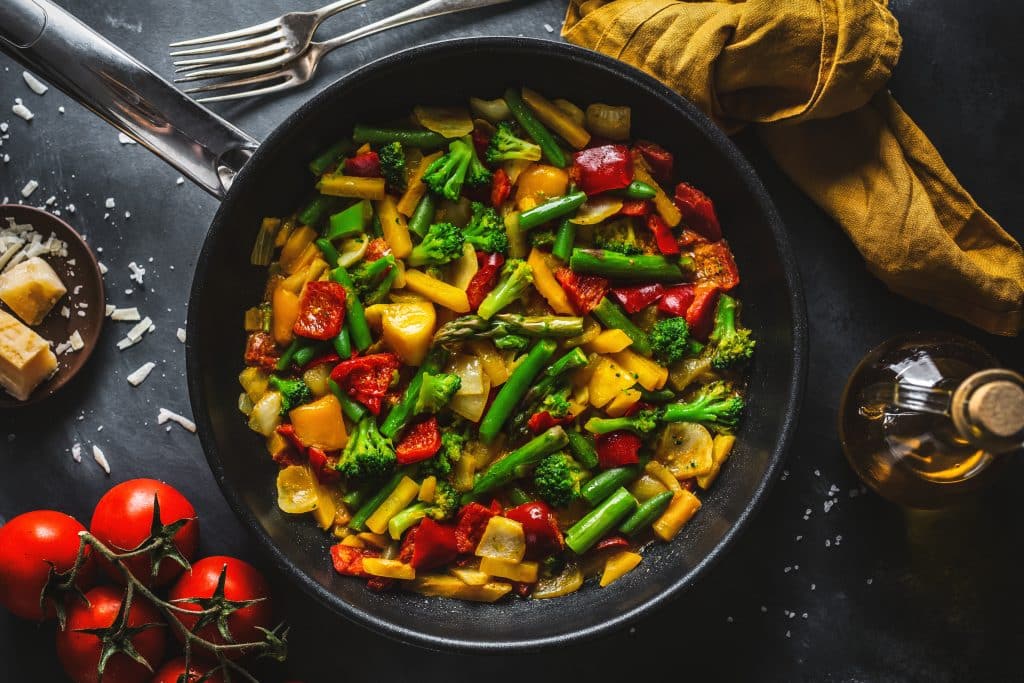
Fried vegetables in sauce cooked on pan. View from above. Vegan or vegetarian concept.
This is a colorful and vibrant dish bursting with flavors and textures. Fresh vegetables like bell peppers, broccoli, carrots, and snap peas are quickly sautéed in a tangy soy sauce or teriyaki sauce, creating a satisfying and among most popular nutritious plant-based meal ideas. Serve it over brown rice or noodles for a complete and delicious stir-fry experience.
1 tablespoon soy sauce (use tamari if you want to make a gluten-free variance)
1 tablespoon teriyaki sauce
1 teaspoon sesame oil (optional)
Salt and pepper, to taste
Cooked brown rice or noodles, for serving
Instructions:
In a sizable skillet or wok, warm the vegetable oil over medium-high heat.
Add the minced garlic to the hot oil and sauté for about 1 minute until fragrant.
Add the mixed vegetables to the skillet and stir-fry for 4-5 minutes until they are crisp-tender.
In a small bowl, whisk together the soy sauce, teriyaki sauce, and sesame oil (if using).
Pour the sauce mixture over the vegetables in the skillet and toss well to coat evenly. Cook for an additional 2-3 minutes.
Season with salt and pepper to taste.
Remove from heat and serve the stir-fried vegetables over cooked brown rice or noodles.
Optionally, garnish with sesame seeds or chopped green onions for added flavor and presentation.
Enjoy your delicious homemade Veggie Stir-Fry!
Feel free to experiment with different vegetables or add tofu, tempeh, or edamame for extra protein.
3. Lentil Tacos
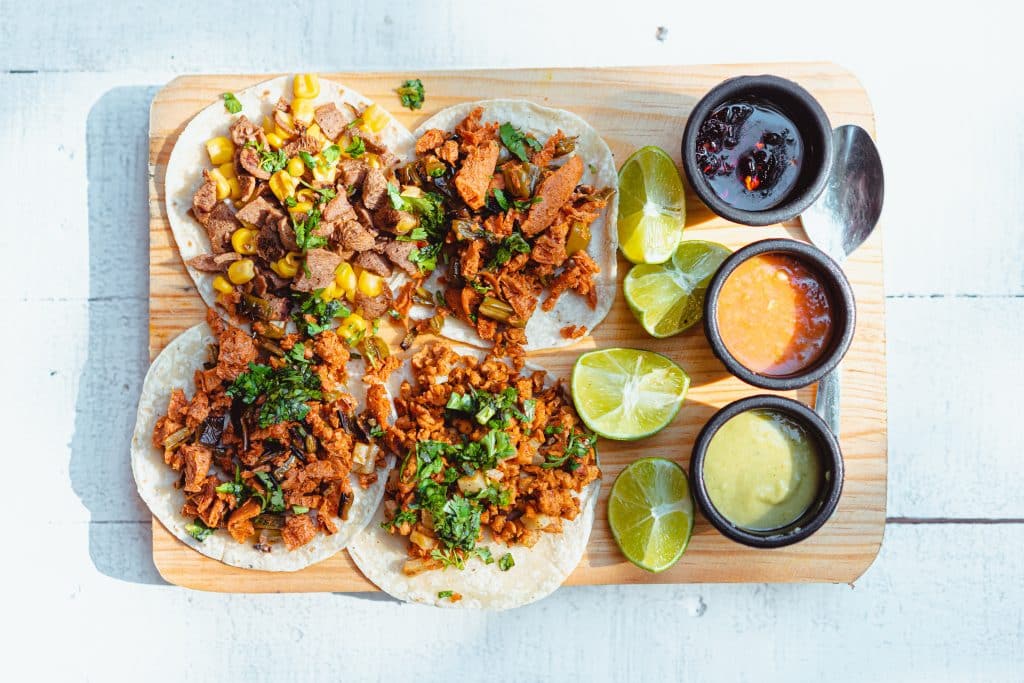
Wondering if there are nutritious plant-based meal ideas that will amaze your loved ones? Lentil Tacos is a delightful plant-based twist on traditional tacos. Seasoned cooked lentils serve as a hearty and flavorful filling. Top them with salsa, guacamole, and your favorite taco toppings for a satisfying and protein-packed meal that will please both vegans and taco lovers alike.
Ingredients:
1 cup dried lentils
1 tablespoon olive oil
1 onion, diced
2 cloves of garlic, minced
1 tablespoon chili powder
1 teaspoon cumin
1/2 teaspoon paprika
1/4 teaspoon cayenne pepper (optional, for heat)
1 cup vegetable broth or water
Salt and pepper, to taste
Taco shells or tortillas
Toppings of your choice: salsa, guacamole, diced tomatoes, shredded lettuce, chopped onions, etc.
Instructions:
Rinse the lentils under cold water and drain.
Olive oil should be heated in a medium saucepan at a medium temperature. Add the diced onion and minced garlic, sautéing until the onion becomes translucent.
Add the lentils, chili powder, cumin, paprika, and cayenne pepper (if using). Stir to coat the lentils and spices evenly.
Pour in the vegetable broth or water and bring the mixture to a boil. Reduce the heat, cover, and simmer for about 20-25 minutes, or until the lentils are tender and most of the liquid is absorbed. Stir occasionally.
Season with salt and pepper to taste.
Warm up the taco shells or tortillas according to the package instructions.
Spoon the cooked lentils onto the taco shells or tortillas. Top with your favorite toppings, such as salsa, guacamole, diced tomatoes, shredded lettuce, and chopped onions.
Serve the Lentil Tacos immediately and enjoy!
Feel free to get creative with the toppings and adjust the spice levels to suit your preferences. Lentil Tacos are versatile, nutritious, and a fantastic plant-based option for taco enthusiasts.
4. Quinoa Salad
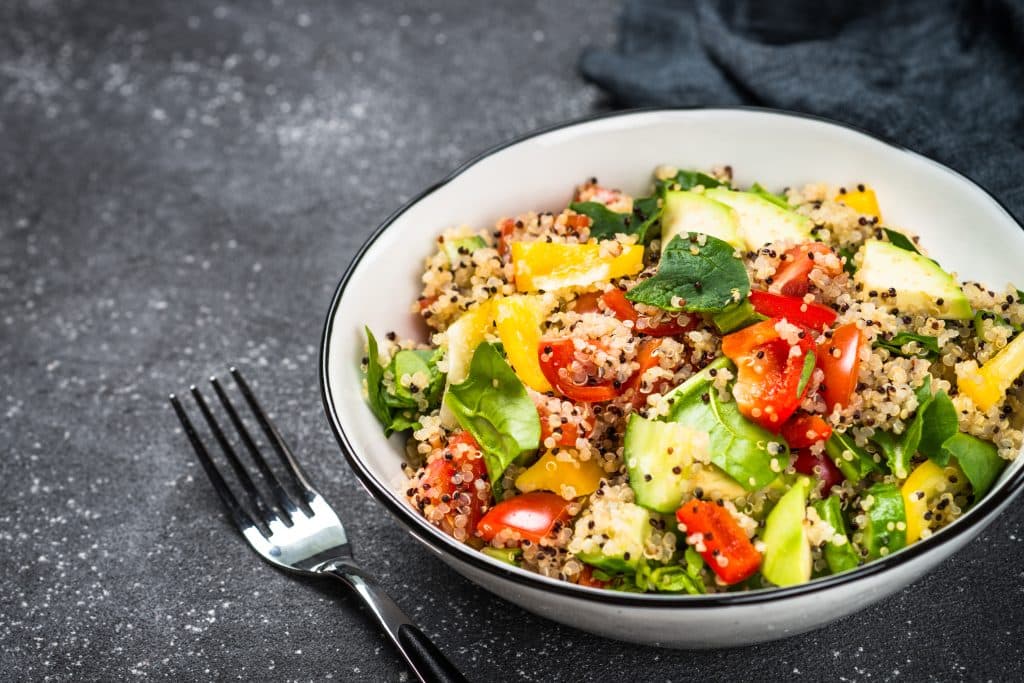
Quinoa salad with spinach, avocado, paprika and tomatoes on black stone table.
This vibrant and nutritious dish combines cooked quinoa with a medley of chopped vegetables, fresh herbs, and a zesty dressing. This colorful salad offers a delightful mix of textures and flavors while providing a wholesome and protein-rich meal option.
Ingredients:
1 cup quinoa
2 cups water or vegetable broth
1 cup cucumber, diced
1 cup cherry tomatoes, halved
1 bell pepper, diced
1/4 cup red onion, finely chopped
1/4 cup fresh parsley, chopped
1/4 cup fresh mint, chopped
Juice of 1 lemon
2 tablespoons extra-virgin olive oil
Salt and pepper, to taste
Instructions:
In order to get rid of any bitterness, rinse the quinoa in cold water. Bring the water or vegetable broth to a boil in a saucepan.
Add the quinoa, reduce the heat to low, cover, and simmer for about 15 minutes or until the quinoa is cooked and the liquid is absorbed. Remove from heat and let it cool.
In a large mixing bowl, combine the cooked quinoa, cucumber, cherry tomatoes, bell pepper, red onion, parsley, and mint.
In a small bowl, whisk together the lemon juice, extra-virgin olive oil, salt, and pepper.
Now apply the dressing with the quinoa and combine it all by tossing it.
Taste and adjust the seasoning if needed.
To enable the flavors to mingle, cover and chill for at least 30 minutes.
Serve the quinoa salad chilled as a refreshing and nutritious meal or side dish.
Feel free to add other vegetables or ingredients like olives, feta cheese (if not vegan), or roasted chickpeas for extra flavor and texture. This recipe is versatile, and you can customize it to your preferences. Enjoy your delicious homemade Quinoa Salad!
5. Sweet Potato and Black Bean Burgers
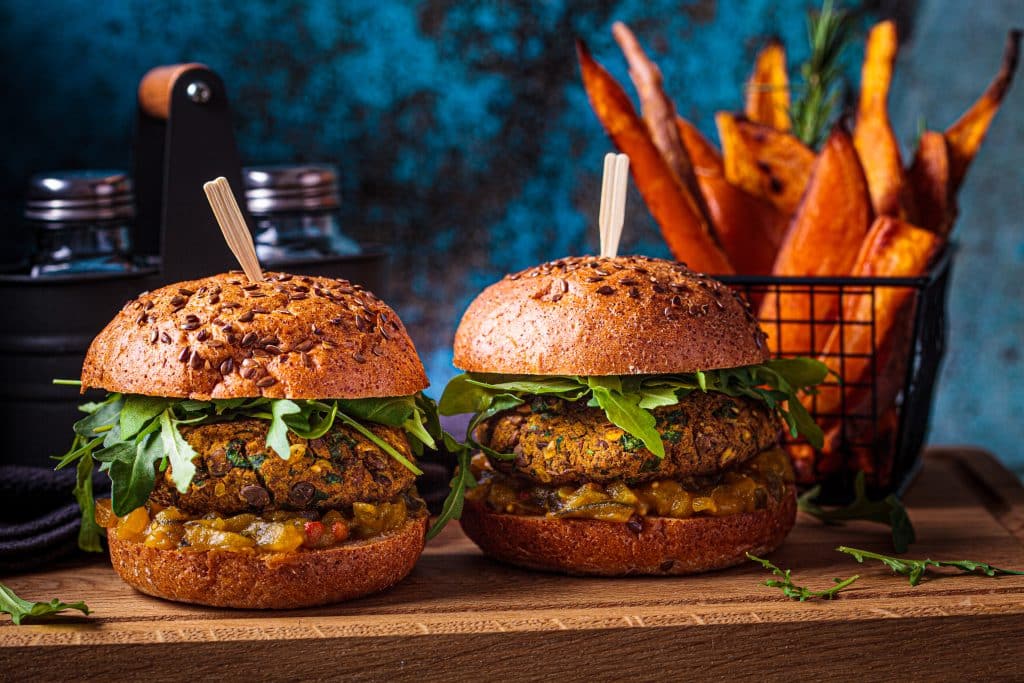
Vegan lentil burger with arugula, mustard sauce, fresh vegetables and sweet potato fries on a wooden board. Vegan food concept.
Nutritious plant-based meal ideas include this hearty and flavorful plant-based option, which is ideal for burger lovers. Mashed sweet potatoes and black beans are combined with breadcrumbs and spices, creating delicious patties. Served on a whole-grain bun with fresh toppings, these burgers are satisfying and packed with nutrients.
Ingredients:
2 cups of cooked black beans (you can also use a single can – make sure they are drained and rinsed)
1 large sweet potato, baked and mashed
1/2 cup breadcrumbs
1/4 cup finely chopped onion
2 cloves garlic, minced
1 teaspoon cumin
1/2 teaspoon paprika
1/4 teaspoon chili powder
Salt and pepper, to taste
Burger buns
Toppings of your choice: lettuce, tomato, onion, avocado, etc.
Instructions:
In a large mixing bowl, combine the cooked black beans, mashed sweet potato, breadcrumbs, chopped onion, minced garlic, cumin, paprika, chili powder, salt, and pepper.
Mash the mixture together using a fork or potato masher until well combined. You can also use a food processor for a smoother texture.
You can make burger patties to get the size and shape you want to match with the buns.
Heat a non-stick skillet or grill pan over medium heat and lightly grease it with oil.
Cook the burgers for about 4-5 minutes per side, or until they are golden brown and heated through.
Toast the burger buns if desired.
Assemble the burgers by placing the cooked patties on the buns and adding your favorite toppings, such as lettuce, tomato, onion, and avocado.
Serve the Sweet Potato and Black Bean Burgers with a side of salad or sweet potato fries.
Feel free to adjust the seasonings or add spices according to your taste preferences. These homemade burgers are delicious, packed with protein and fiber, and make for a satisfying plant-based meal. Enjoy!
What is the best meal choice for you? Some people have a weekend routine of meal planning and meal prepping. These things make weeknight dinners faster and easier, and they help them spend less time in a grocery store. However, they do go together, but there are some differences between them.
Meal planning and meal prepping work together and they serve the same purpose. In other words, they are making weeknight dinners a little easier. When you plan your meals, you are using the process of asking and answering the question `What is for dinner?` by finding the recipes and dishes that go well with your schedule and needs.
Meal prepping is something that comes after meal planning. Also, we can say that it is just another step or meal planning. It is the final step that puts your plan into action. You will prepare ingredients and meals for the upcoming week.
However, if you don`t have time for any of these, the right meal choice is meal delivery services. We will talk a little bit more about meal planning, meal prepping, and meal delivery. There are benefits for all of them, and many people are using them, depending on their goals and needs.
What is there to know about meal planning
Meal planning is when we decide what we are going to eat for breakfast, lunch, or dinner (or all three) for the whole week instead of every day. After that comes shopping and prepping the ingredients before cooking. There are three steps to help you to approach meal planning:
Select your meals and recipes
Go shopping for ingredients
Make those ingredients
These steps should work because they break down the process into three steps so they feel manageable. It might look overwhelming if you look at everything from the endpoint which are prepared meals.
Meal planning means that you are spending at least a few minutes of your week and you are thinking about the dishes you will make or eat during the next week.
Benefits of making a meal plan
Meal planning reduces food waste. When you have a plan for the week before going to the store, you know exactly what you need to buy for that week. Also, you know what you don`t need, so the amount of food that you are throwing away will be reduced.
You have a plan when you are too busy. Coming home after a long day and just wanting to rest can be interrupted by thinking about and deciding what to eat. When you already have your plan, you can relax and rest.
We are getting freedom and flexibility. This is the biggest difference between meal planning and meal prepping. Meal planning will give us the freedom that meal prep does not allow. When your plans during the week change(and we all know that happens) you can change your meal plan, too. Prepared meals might go to waste in this case.
If you are thinking of becoming a meal planner, here are some tips to help you succeed.
Three things that can help you plan your meals effectively:
Take time, don’t rush it.
Choose some time each week for thinking about your meals for the upcoming week. Therefore, if planning far ahead seems difficult, write down your menu for the week. Use paper, notes on your phone, spreadsheet, or even special meal-planing notepads.
If you are going to a restaurant, check the menu before and choose what should you eat. Therefore, when you get there you already know what to order and you will not make unhealthy choices that we make when we are in a rush or hungry.
An electronic calendar can be a good thing and it will help you remember social obligations, which revolve around food usually. Maybe you will catch up with your friend or there is an office happy hour. Think about these events and how they can change your normal routine and diet.
Be honest with yourself.
Try to stick with your plan as much as you can, but do not set very high goals. We create habits around the activities that we do, even if they don`t go well with our diet plan. For instance, if you always eat popcorn when you watch a movie, try to get a small bag at least. Also, if you have a day a week that you meet your friends for drinks, try to have one cocktail instead of more.
Find a balance.
Think about the events that you can`t avoid and see how you can plan a healthy day around them. If you are eating a cake for a coworker`s birthday, try to plan a low-sugar and low-carb lunch, so you can have a balance. For example, if you are celebrating an anniversary at the steak house, eat a lighter lunch with fiber-rich, healthy carb sources.
Find a balance between your meals and exercise. Try to not eat very large meals or to over-exercise. Everything should be balanced and that is the key to a healthy life.
Meal prepping is the next step after meal planning
Meal prepping is the final step in meal planning. However, you can plan your meals without prepping them, but you can`t prep your meals without planning. After you select your meals for the upcoming week and shop for ingredients, meal prep is the next thing you need to do.
Set aside an hour or less to begin prepping the meals. Meal prep means different things for some people. For example, you can cook whole meals or just prep some ingredients that you can assemble later. Depending on your needs, you decide what approach you want to choose.
If you have a busy schedule, prepping your lunch at least will be a great time-saver. You will always have your grab-and-go food container in the morning.
The pros of meal prep
There are a few reasons why meal prep is such a popular meal choice. You prepare your meals for a few hours, pick recipes, prep your ingredients, and everything is ready for your busy week. Here are some benefits:
They do not cost a lot
It is the least expensive way to cook for one person or a family. Also, when you buy in bulk, you save even more. You can organize the ingredients of your meals around seasonal products or food items on sale.
You will eat healthier
Meal prepping will help you follow a specific diet, or it will make sure that you are eating enough fruits, vegetables, protein, or whole grains. Additionally, when you divide your meals for each day, you have control of the portion size and make sure that you are not overeating. You will eat fewer unhealthy snacks or at least be less likely to do so.
There is less packaging
Because you are batch cooking and buying in bulk, you are buying groceries and ingredients with less packaging. In other words, meal prep allows you to buy in bulk from wholesale suppliers or warehouse stores and avoid excess packaging in your ingredients.
Meal delivery is a plus option
For those who do not have time for planning or cooking, delivery might be the best meal choice. If you do not find yourself in the first two, or if they do not work with your needs, goals, or schedule, try a meal delivery service. It might work for you better.
Delivery services have ready, freshly made meals delivered to your door. The only thing you need to do is heat your meal and enjoy it. Nutrition, quality of ingredients, and sustainability might vary from service to service, so try to find the company that has your food preferences and goes well with your lifestyle and goals.
Good sides of meal delivery services
Companies that do meal delivery might vary, but here are some general good sides of this service:
There is a focus on nutrition
A meal delivery service is more focused on making nutritionally balanced dishes because the idea is to replace traditional meal prep. Companies that worry about quality will make balanced meals with enough fats, carbohydrates, and protein. This will improve your diet and fitness goals.
Meal delivery saves the most time
This meal choice is good for people who are extremely busy and don’t want to or they can`t spend time cooking. Meal delivery will save you the most time. There is no grocery shopping, no need to prep or clean any dishes aside from utensils.
A lot of different choices
Variety is something that is a benefit here. You can find options for breakfast, lunch, and dinner, and there is usually a rotating menu to keep things interesting. You will get all the important nutrients and avoid repetition with meal prep.
There are different diet options
A variety of diet plans is something that meal delivery usually offers. It can be very helpful if you have dietary preferences or needs. Additionally, if you just want to eat dairy-free, clean, gluten-free, Keto, Paleo, plant-based, and the list goes on, you can get that with a meal delivery service.
The final word
We mentioned some advantages of meal planning, meal prepping, and meal delivery. But everyone has to decide which meal choice is best. Look at the responsibilities, options, goals, and wallet, and make the choice.
The common thing for all three is that you are making a good choice for your health. Additionally, you will also save time on grocery shopping, cooking, and prepping if you organize well.
The good news is that there are different options to choose from. Find the right combination of cost-effective, healthy options and convenience. We can help you, too, if you need our help or have any questions. Whatever option you choose – enjoy your meals!
Every person has their own relationship with food. Some enjoy it thoroughly, while others try to get a quick meal on the go. Although everyone has their process, mindful eating is something you should try at least once.
Mindful eating is one of the best ways to control your portion sizes and feel more satisfied. It offers countless health benefits and gives you a more profound eating experience.
Keep reading and discover what are exactly mindful meals and recipes you’ll undoubtedly enjoy.
What are mindful meals?
Mindful meals are the practice of applying mindfulness to the entire process of eating. That covers everything from meal planning and preparation to slow eating. This practice makes a deeper connection between food and the present moment.
It all starts with careful meal planning and preparation. You should first select healthy ingredients for your meal. Then, start the cooking process. Take your time to prepare mindful meals with care. Mindfully engage in the process of chopping and slicing. This allows you to appreciate the smells and textures of ingredients.
Naturally, it won’t always be possible to cook the food yourself. However, if you lack the time to prepare something healthy, there are still alternatives to save the day. You can opt for a healthy food delivery service to bring the meals to your doorstep. Then, you can still mindfully enjoy your healthy meals.
Before you start eating, take a moment to express gratitude for the food in front of you. Take a deep breath to notice the aromas coming from the food.
When you start eating, chew every bite thoroughly. Experience the flavors and sensations in your mouth. Doing this allows you to be present rather than rush through your meal.
Pay attention to fullness cues. Allow your body to tell you whether you are still hungry or full. Don’t just finish the plate out of habit; your body will tell you exactly how much you need. You can also take a short break to assess your level of fullness.
Avoid distractions like your phone or TV while enjoying your meal. Instead, focus your attention solely on the meal in front of you. This allows you to experience the flavors of the food fully. It also helps you stay attuned to your body’s signals.
If you’re sharing a meal with others, practice mindful conversations. Truly listen and engage with the people around you. Express gratitude for the shared experience, and create a positive atmosphere.
Mindful meals ideas
Now, let’s explore a collection of delicious and easy-to-make recipes that embrace the concept of mindful meals.
Quinoa veggie stir-fry
Heat some oil in a pan and cook a mix of your favorite vegetables for a few minutes until slightly tender. You can use bell peppers, broccoli, and carrots, for example. Add minced garlic and grated ginger, and continue cooking for another minute.
Meanwhile, cook quinoa according to package instructions. When the vegetables are cooked to your liking, add the cooked quinoa to the pan and keep stirring well. Drizzle with soy sauce and a squeeze of lime juice, tossing everything together to combine.
Season with salt and pepper to taste. If desired, serve the flavorful quinoa veggie stir-fry hot and garnish with sesame seeds or chopped green onions.
Avocado toast with poached egg
Toast a slice of whole-grain bread until crispy. While the bread is toasting, cut a ripe avocado in half. Then remove the seed, and scoop out the flesh into a small bowl. Mash the avocado with a fork.
Add salt and pepper, followed by a squeeze of fresh lemon juice, then mix well. Fill a pot with water (a small one will do), add a splash of vinegar, and bring it to a gentle simmer. Crack an egg into a bowl and carefully slide it into the simmering water. Poach for three to four minutes until the whites are set, but the yolk is still runny. Remove it when it’s done.
Spread the mashed avocado on the toasted bread. Place the poached egg on top, and add any desired garnish, like chives or red pepper flakes. Enjoy the creamy and nutritious avocado toast with a perfectly poached egg!
Lentil soup
In a pot, heat some oil and cook diced onions, carrots, and celery until they soften. Add minced garlic and spices like cumin, paprika, and dried thyme. Cook everything for another minute.
Rinse dried lentils and add them to the pot along with vegetable broth. Bring them to a boil. Then reduce the heat, and simmer until the lentils are tender for about 15-20 minutes.
You can also add diced tomatoes or chopped spinach for more flavor. Season with salt and pepper to taste. Serve the warm and comforting lentil soup, optionally garnished with fresh herbs like parsley.
Zucchini noodles with pesto
Use a vegetable peeler to create noodle-like shapes from zucchini. Lightly fry the zucchini noodles in a pan with a little olive oil on medium heat. Wait a few minutes until tender, or leave them raw for a crunchy texture.
Combine the following in a blender to make the pesto sauce:
fresh basil leaves;
pine nuts,
grated Parmesan cheese,
garlic cloves,
olive oil.
Blend until smooth and creamy. You can add a bit more olive oil if needed. Mix the zucchini noodles with the pesto sauce until well-coated.
Optional: Add halved cherry tomatoes and toasted pine nuts for extra flavor and crunch.
Chia seed pudding
In a jar or bowl, combine chia seeds with your choice of milk (like almond, coconut, or dairy). The ratio should be 1:4 chia seeds to liquid. Stir well to ensure the chia seeds are evenly distributed.
Add a sweetener of your choice. You can use maple syrup or honey, and stir again. Let the mixture sit for a few minutes, then give it another stir to prevent clumping. Cover the jar or bowl and if possible refrigerate overnight. If you can’t wait that much, four hours can also be enough. You will know it’s ready when the chia seeds have absorbed the liquid. They should form a pudding-like consistency.
For added texture and flavor, serve the chia seed pudding chilled and top with fresh berries, sliced fruits, nuts, or granola.
In summary
Mindful meals can change how we view food. Many of us aren’t present during meals. But by slowing down and enjoying each bite, we improve our well-being and develop a healthier relationship with food.
Mindful eating means listening to our bodies and appreciating flavors and textures. Let mealtime become a moment of mindfulness, bringing balance to your body and mind. Embrace the power of mindful meals and discover a new way to connect with your food.
In recent years, the ketogenic (keto) diet has surged in popularity with its unique approach to nutrition. It revolves around a simple principle: drastically reducing your intake of carbs while increasing the consumption of healthy fats. The ultimate goal? To trigger a metabolic state known as ketosis. In that state, the body uses fat as the primary energy source.
The need for creative keto meal prep ideas grows alongside the diet’s popularity. That’s why we’ve prepared a set of simple and effective keto meal prep ideas on a budget.
What is a keto diet?
The keto diet is a diet rich in fats but low in carbohydrates. Its goal is to switch your body’s metabolism to ketosis, where your primary energy source becomes ketones instead of carbs. Ketones are created when your body breaks down fats.
The main idea behind the keto diet is to reduce carbohydrate intake drastically. You would replace those carbs with healthy fats. Hence, your macronutrient intake would look like this:
70-75% of calories from fats;
20-25% of calories from protein;
5-10% of calories from carbohydrates.
When you minimize your intake of carbs, your body’s insulin levels decrease. Then, your body will use stored fat as its primary energy source. When that fat gets broken down, it’ll create ketones which your organs use as fuel.
When you decide to hop on the keto diet, your keto meal prep ideas should include:
moderate protein sources (meat, poultry, fish, eggs);
low-carb vegetables (leafy greens, broccoli, cauliflower, zucchini, bell peppers);
some dairy: (full-fat dairy products like yogurt and cream);
unsweetened beverages (water, herbal tea, black coffee).
On the other hand, your keto meal prep ideas should exclude:
high-carb foods:
grains (bread, rice, pasta);
starchy vegetables (potatoes, corn);
sugary foods (sweets, sugary drinks);
fruits (especially high-sugar fruits like bananas);
most legumes and beans;
processed foods.
The keto diet can be extremely effective when appropriately planned. However, people with certain medical conditions (like diabetes or kidney disease) should be extra careful. It would be best to consult a healthcare professional before starting this diet.
Keto meal prep ideas
Now that we’ve covered the basic principles of a keto diet, let’s hop into some easy keto meal prep ideas.
Keto meal prep ideas – breakfast
Keto egg muffins
Ingredients:
eight large eggs;
1/4 cup of either heavy cream or coconut milk (full-fat);
one cup chopped spinach, kale, or your choice of low-carb veggies;
1/2 cup shredded cheddar cheese. You can use a different one if preferred;
1/4 cup diced cooked bacon, sausage, or ham;
salt and pepper to taste;
cooking spray or butter.
Instructions:
Set your oven temperature to 350°F (175°C). Apply a coating of cooking spray or butter to prevent sticking.
In a mixing bowl, whisk together:
the eggs;
heavy cream or coconut milk;
salt and pepper.
Mix until well combined. This creates the base for your egg muffins.
Add in the chopped vegetables, cheese, and cooked meat. Mix everything until the ingredients are evenly distributed.
Carefully fill each muffin cup about two-thirds to three-quarters full with the egg mixture using a spoon or measuring cup.
Allow the egg muffins to bake in the preheated oven for about 20-25 minutes or until they attain a set texture and a gentle golden color on the surface. To determine their doneness, insert a toothpick into the center of a muffin. If it emerges clean, they are ready.
Once cooked, remove the muffin tin from the oven and let the muffins cool for a few minutes. Carefully use a knife or spoon to loosen the edges of the muffins from the container, then gently lift them out.
You can modify ingredient amounts according to your meal preparation needs. You can store keto egg muffins in the fridge and enjoy them for several days.
Keto meal prep ideas – lunch
Keto baked chicken thighs
Ingredients:
six to eight bone-in, skin-on chicken thighs;
two tablespoons olive oil;
one teaspoon garlic powder;
one teaspoon onion powder;
one teaspoon paprika;
1/2 teaspoon dried thyme;
salt and pepper to taste.
Instructions:
Preheat your oven to 400°F (200°C). Use paper towels to blot the chicken thighs dry, enhancing their crispiness when baked. Season both sides with salt and pepper.
In a small bowl, combine:
garlic powder;
onion powder;
paprika;
dried thyme;
a bit more salt and pepper.
Mix well to create a seasoning blend.
Gently pour the olive oil evenly onto the chicken thighs. Rub the seasoning blend all over each thigh and coat them evenly.
Arrange the seasoned chicken thighs on a parchment paper-lined baking sheet. Make sure there’s enough space between each thigh. Allow them to bake in the preheated oven for about 25-30 minutes. A good indicator is if the temperature has reached 165°F (74°C) and the skin turned crispy.
You can serve them with roasted low-carb vegetables like broccoli, cauliflower, or Brussels sprouts.
Once baked, let the chicken thighs cool slightly before transferring them to an airtight container. You can also divide them into individual meal prep containers if you prefer. Store the cooked chicken thighs in the refrigerator.
If you’re pressed for time, make sure you check out our ketogenic meal plans delivered right to your door so you can keep your diet on track for the best results.
Keto meal prep ideas – dinner
Keto cabbage and sausage skillet
Ingredients:
one pound keto-friendly sausage links (e.g., Italian sausage, bratwurst), sliced into rounds;
one small head of cabbage, thinly sliced;
one medium onion, thinly sliced;
two cloves garlic, minced;
two tablespoons olive oil or butter;
one teaspoon paprika;
1/2 teaspoon dried thyme;
salt and pepper, to taste;
red pepper flakes (optional) for added heat;
chopped fresh parsley for garnish.
Warm a tablespoon of olive oil or butter in a large skillet. Add the sliced sausage rounds and cook until they are browned and cooked through. Take out the sausage from the skillet and set it aside.
Add a tablespoon of olive oil or butter in the same skillet. Include the thinly sliced onion and sauté for a few minutes until softened and slightly caramelized. Add the minced garlic and sauté for another 30 seconds until fragrant.
Add the sliced cabbage to the skillet. Toss the cabbage to combine with the onions and garlic. Cook for about five to seven minutes or until the cabbage has wilted and softened.
Sprinkle the paprika, dried thyme, salt, and pepper over the cabbage. If you like to spice things up, you can add red pepper flakes. Stir to distribute the seasonings evenly.
Return the cooked sausage to the skillet with the cabbage mixture. Toss everything together and cook for two to three minutes to heat the sausage through and let the flavors meld.
Divide the cabbage and sausage mixture into individual meal prep containers.
Allow the skillet to cool slightly before sealing the containers. Refrigerate the containers for future meals.
Final thoughts
The ketogenic diet can be a very effective way to manage your weight. It’s a sustainable diet, meaning you can easily follow it long-term. However, people with certain medical conditions can find following the keto diet troublesome. In that case, you should consult a healthcare professional before starting the diet.
But if you don’t have any health obstacles, you should give this diet a shot. With these keto meal prep ideas, you’re bound to have a strong start in your weight loss journey.
In their attempts to find the ideal nutrition plan, many individuals encounter challenges along the way. Despite their efforts, they may need help discovering the perfect plan that aligns with their goals.
This article will explore five reasons individuals have not found their ideal nutrition plan. By addressing these challenges head-on, individuals can optimize their dietary choices. With these solutions, you can continue your path toward long-term nutritional success.
A lack of clarity on goals
When choosing your ideal nutrition plan, you must set precise goals. Without them, you can find yourself switching between different diets since you don’t fully understand what you are trying to achieve.
Setting goals motivates you to stick to your diet and commit to a nutrition plan. You may simply want to lose or gain weight. Your goal might also be to improve your athletic performance or manage a health condition. Whichever it is, knowing exactly what you want to achieve before setting up your meal plan is crucial.
A meal plan isn’t a one-size-fits-all solution. It’s quite the opposite, as everyone wants different results. In addition, everyone has a different body (body mass index, muscle mass, height, and weight). These factors will drastically influence your caloric needs and the nutrition plan to follow.
Finally, setting clear goals will allow you to track your progress and determine if your meal plan is effective. These measurable goals will be the perfect indicator if you should continue with your diet or if it needs any changes.
A lack of knowledge
The ideal nutrition plan will cover all of the nutritional values your body needs. Each person has unique requirements based on their body composition and goals. Hence, you must know how to satisfy those needs for the desired results.
There are numerous diet plans for you to choose from. You can opt for the ketogenic diet, vegetarian, intermittent fasting, and many other options. That can be overwhelming since that many choices can confuse you and make it unclear which one is ideal for your needs.
You must carefully examine your diet plan and confirm that it has everything needed to achieve your goals. Doing so is challenging, but you can always reach out to professionals to help you find the right plan for your needs.
Not addressing underlying issues
Underlying issues can be a significant obstacle in finding your ideal nutrition plan. Emotional factors like stress and anxiety can impact your nutrition and meal choices. Many people turn to food as a coping mechanism, leading to unhealthy eating habits. That’s why working on your emotional health is vital, just like you would with your physical.
Another underlying issue preventing your meal plan from working is hormonal imbalance. It can affect your metabolism and appetite, which makes sticking to your diet difficult. If you suspect hormonal imbalances, you should reach out to a health specialist to
identify and address any issues.
Lack of time or availability of healthy products
Another reason you are still looking for your ideal nutrition plan can be a lack of time or availability of healthy products.
If certain foods aren’t available when you need them, you might pick the wrong substitute and fail to hit your caloric goals. Similarly, if you lack the time to prepare the next meal on your nutrition plan, the faster option is usually not as healthy.
To solve this, you can resort to the meal prep option. When you have the time for shopping and cooking your meals, use it for bulk buying and preparation. For example, meat and veggies are excellent options for meal prep. That also applies to soups and starches.
However, if you still don’t have enough time to prepare your food in bulk, there are more alternatives. You can opt for our healthy food delivery service and get all your meals at your doorstep. Simply choose the meal plan that aligns with your goals and leave the rest to us. We’ll prepare each meal according to your needs and deliver them three times weekly, ensuring their freshness.
Trial and error
To make the best possible nutrition plan, trial, and error must be balanced. Results will take time to show. It’s not always possible to see the effectiveness of a nutrition plan immediately.
By using trial and error, you can monitor the long-term effects of a meal plan. That allows you to make adjustments based on what worked and what didn’t over a certain period.
Too much experimenting can also slow down your progress for the same reason. Since results take time, you might think your nutrition plan isn’t effective. However, you must be patient to see the results. In that process, changing things up can sometimes cause more harm than good.
Once you have a solid meal plan, stick to it for a few months before making changes. People can react differently to various foods. Of course, if you notice that certain foods aren’t sitting well, search for alternatives that will suit your body better. When you find the right combination, stay patient and keep tracking your results. After a few months, you will have the ideal answer as to whether you are on the right path.
In summary
Finding the ideal nutrition plan can be a challenging task. Everyone has specific goals and preferences, and a meal plan must cater to their needs. Other factors like dietary and health restrictions are vital when choosing the right meal plan.
Nutrition science keeps evolving, making it essential to stay updated with the latest research. To balance these factors, you must experiment and try out different things. The safe option is to reach out to professionals and get their assistance. Being patient and committed is the key to discovering an ideal meal plan.